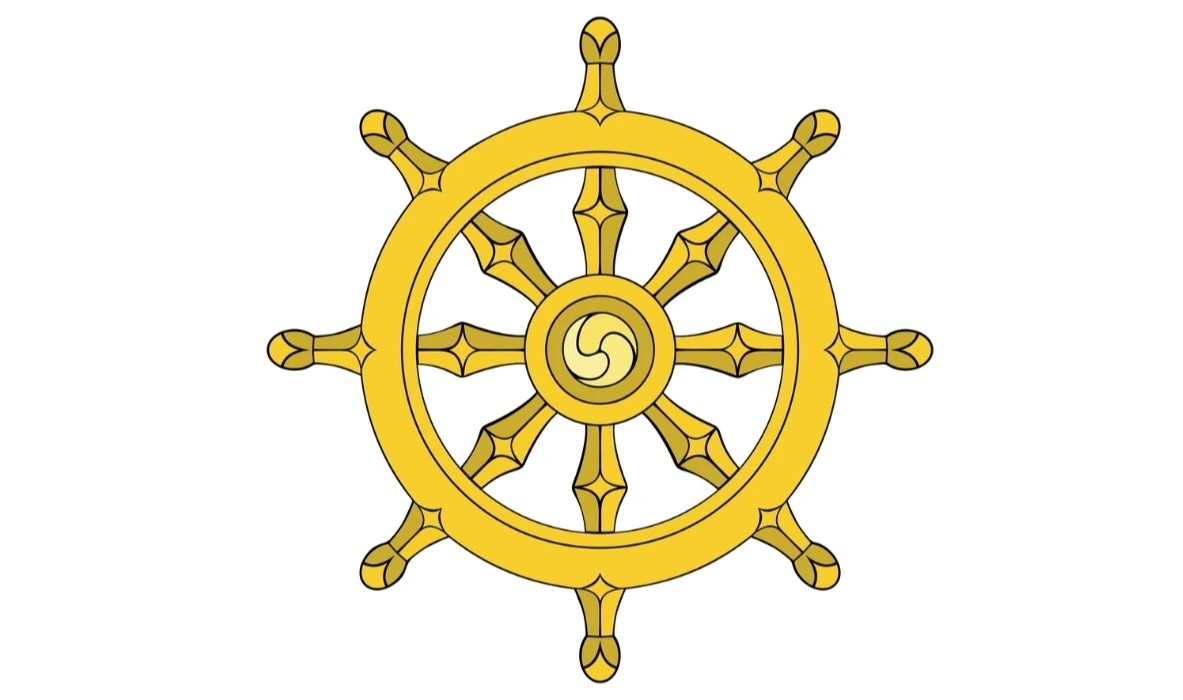
The 6th century BCE in India was a turning point in history. This period saw the rise of new philosophies and political changes.
People questioned Vedic rituals, animal sacrifices, and dominance of priests.
As a result, new religions like Buddhism and Jainism emerged, and politically, many Mahajanapadas (great states) came into existence.
☸️ Buddhism
- Founded by Gautama Buddha (563–483 BCE), also called Siddhartha, born in Lumbini.
- Attained enlightenment under the Bodhi tree at Bodh Gaya.
- First sermon at Sarnath (Dharmachakra Pravartana).
- Preached Four Noble Truths and the Eightfold Path.
- Opposed caste system, animal sacrifice, and stressed ahimsa (non-violence).
- Spread widely in India and Asia under Ashoka.
Key Sects:
- Hinayana (simple teachings, monks only).
- Mahayana (Buddha worship, spread to China, Japan).
- Vajrayana (tantric practices, Tibet).
🕉️ Jainism
- Founded by Mahavira (599–527 BCE), the 24th Tirthankara.
- Preached extreme non-violence (ahimsa), truth, and asceticism.
- Emphasized five vows: Ahimsa, Satya, Asteya (non-stealing), Brahmacharya, Aparigraha (non-possession).
- Rejected Vedic sacrifices and caste system.
- Believed in karma and salvation through self-discipline.
Key Sects:
- Shvetambaras (white-clad monks).
- Digambaras (sky-clad monks, stricter practices).
🏛️ Mahajanapadas
In the same period (6th century BCE), 16 Mahajanapadas (large states) rose across North India. They replaced earlier tribal republics and marked the beginning of organized kingdoms.
List of 16 Mahajanapadas:
Anga, Magadha, Vajji, Malla, Kashi, Kosala, Vatsa, Avanti, Chedi, Kuru, Panchala, Matsya, Surasena, Assaka, Gandhara, Kamboja.
Highlights
- Magadha emerged as the most powerful → later became the base for Mauryan Empire.
- Some were monarchies (Magadha, Kosala) while others were republics (Vajji, Malla).
- Capitals like Rajagriha, Pataliputra, Ujjain, Kausambi, Taxila became important centers of politics, trade, and learning.
Quick Comparison
| Aspect | Buddhism | Jainism | Mahajanapadas |
|---|---|---|---|
| Founder | Gautama Buddha | Mahavira | Not a religion – 16 states |
| Time | 6th century BCE | 6th century BCE | 6th century BCE |
| Main Teaching | Middle path, 4 Noble Truths | Ahimsa, 5 vows | Rise of kingdoms/republics |
| Spread | Asia (China, Sri Lanka, Japan) | India | Political – not religion |
| Significance | Reform of rituals & caste | Strict self-discipline | Early state system |
✨ Key Facts for Exams
- Both Buddhism & Jainism arose in 6th century BCE as reformist religions.
- Buddha’s Four Noble Truths: Life is suffering, cause is desire, end desire to end suffering, follow Eightfold Path.
- Mahavira’s Nirvana → at Pavapuri, Bihar.
- Magadha became the strongest Mahajanapada, paving the way for Mauryan Empire.
- Buddhism spread faster than Jainism due to simplicity and royal patronage (Ashoka).
Mauryan & Gupta Empires
After the age of Mahajanapadas, India entered a new era of powerful empires. Two of the most important dynasties were the Mauryan Empire (322 BCE – 185 BCE) and the Gupta Empire (4th–6th century CE). Both had a huge impact on politics, economy, culture, and religion.
🐘 Mauryan Empire (322 BCE – 185 BCE)
- Founded by Chandragupta Maurya in 322 BCE with help from his advisor Chanakya (Kautilya).
- Capital: Pataliputra (modern Patna, Bihar).
- Greatest ruler: Ashoka the Great (268–232 BCE).
- Famous for Kalinga War → after which he adopted Buddhism and spread it worldwide.
- Issued Rock & Pillar Edicts with messages of dhamma (morality).
- Empire covered almost the entire Indian subcontinent.
- Administration was highly centralized, guided by Arthashastra (by Kautilya).
- Declined after Ashoka’s death, finally ended in 185 BCE.
🌺 Gupta Empire (320 CE – 550 CE)
- Founded by Sri Gupta; became powerful under Chandragupta I.
- Greatest rulers: Samudragupta, Chandragupta II (Vikramaditya).
- Capital: Pataliputra and later Ujjain.
- Known as the “Golden Age of India”:
- Progress in science, astronomy, medicine, literature, art, and culture.
- Scholars: Kalidasa (poet), Aryabhata (astronomer), Varahamihira (scientist).
- Famous temples: Dashavatara Temple (Deogarh), Ajanta & Ellora caves.
- Trade and economy flourished with gold & silver coins.
- Decline began due to invasions of Hunas (Huns).
Comparison Table: Mauryan vs Gupta Empires
| Feature | Mauryan Empire | Gupta Empire |
|---|---|---|
| Period | 322–185 BCE | 320–550 CE |
| Founder | Chandragupta Maurya | Sri Gupta |
| Greatest Ruler | Ashoka | Chandragupta II (Vikramaditya) |
| Capital | Pataliputra | Pataliputra, later Ujjain |
| Religion | Buddhism (Ashoka) | Hinduism, but tolerant |
| Administration | Centralized (Arthashastra) | Decentralized (more feudal) |
| Achievements | Spread of Buddhism, Edicts, large empire | Golden Age: art, literature, science |
| Decline | Weak successors, invasions | Hun invasions, weak rulers |
✨ Key Facts for Exams
- Chanakya’s Arthashastra → key source on Mauryan administration.
- Ashoka’s Lion Capital (Sarnath) → adopted as National Emblem of India.
- Gupta period is called Golden Age of India for cultural and scientific achievements.
- Kalidasa’s works: Abhijnanashakuntalam, Meghaduta.
- Aryabhata wrote Aryabhatiya, explained zero and rotation of Earth.
… [Trackback]
[…] Read More Info here to that Topic: sarkariresultbook.com/buddhism-jainism-mahajanapadas-mauryan-gupta-empires/ […]