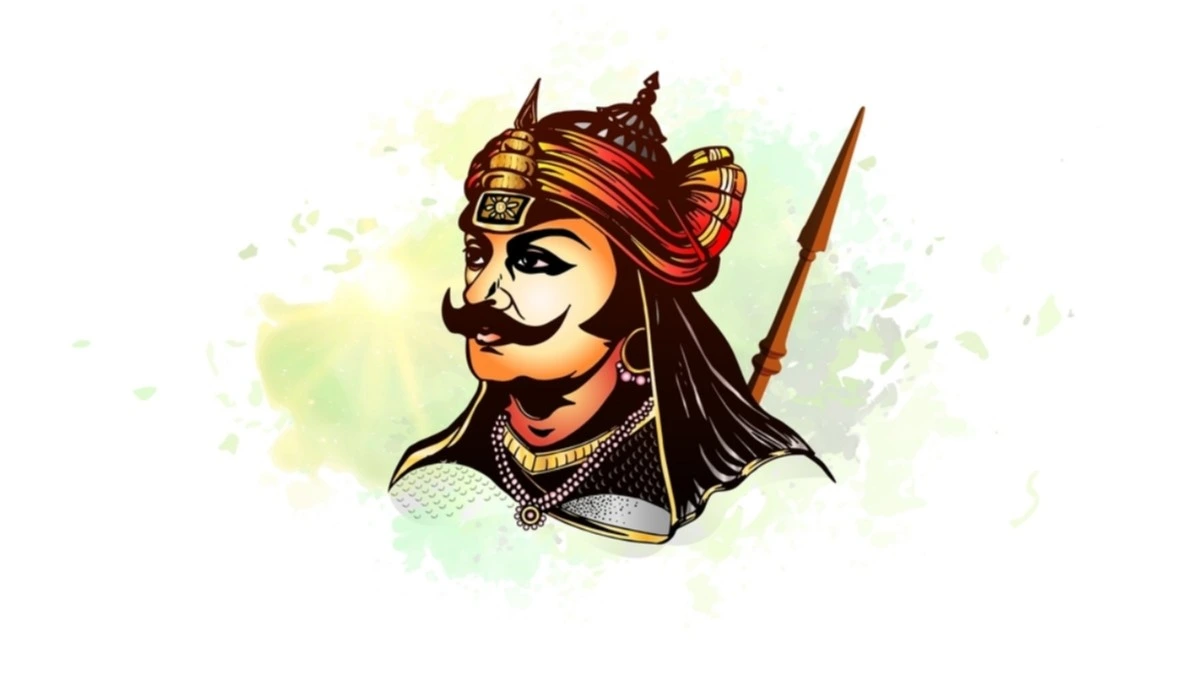
After the decline of the Gupta Empire in the 6th century CE, India saw the rise of several regional kingdoms.
This period is often called the Early Medieval Period (600–1200 CE).
Among the most famous were the Rajput Kingdoms in North India and the Chola Dynasty in South India.
This article talks about, Early Medieval Kingdoms of India in detail.
⚔️ Rajput Kingdoms (7th–12th Century CE)
- The Rajputs were warrior clans who rose to prominence after the fall of the Guptas.
- Important dynasties: Pratiharas, Chauhans, Paramaras, Solankis, Rathores.
- Famous Rajput rulers:
- Prithviraj Chauhan (defeated Muhammad Ghori once but lost in the Second Battle of Tarain, 1192 CE).
- Raja Bhoja (Paramara dynasty, patron of learning).
- Rajputs were known for valor, code of honor, and resistance against foreign invaders.
- Weakness: Frequent wars among themselves → made them vulnerable to Turkic invasions.
🌊 Chola Dynasty (9th–13th Century CE)
- Rose in Tamil Nadu; greatest rulers: Rajaraja Chola I and Rajendra Chola I.
- Expanded empire to Sri Lanka, Maldives, and Southeast Asia (Indonesia, Malaysia).
- Capital: Thanjavur, later Gangaikonda Cholapuram.
- Famous for:
- Administration: Village self-government (Sabhas & Ur system).
- Art & Architecture: Brihadeeswara Temple (Thanjavur) – UNESCO site.
- Navy: One of the strongest navies in medieval Asia.
- Declined in 13th century due to Pandya and Hoysala invasions.
Comparison Table: Rajputs vs Cholas
| Feature | Rajputs | Cholas |
|---|---|---|
| Region | North & Central India | South India |
| Period | 7th–12th century CE | 9th–13th century CE |
| Famous Rulers | Prithviraj Chauhan, Raja Bhoja | Rajaraja Chola I, Rajendra Chola I |
| Capital | Ajmer, Kannauj, etc. | Thanjavur, Gangaikonda Cholapuram |
| Strengths | Valor, resistance against invaders | Strong navy, overseas expansion, temple building |
| Weakness | Internal conflicts, invasions by Turks | Defeated later by Pandyas & Hoysalas |
| Contribution | Forts, warrior culture | Temples, administration, maritime trade |
✨ Key Facts for Exams
- Prithviraj Chauhan lost to Mohammad Ghori in 1192 CE (Second Battle of Tarain) → paved way for Delhi Sultanate.
- Cholas had one of the world’s earliest navies and spread Indian culture to Southeast Asia.
- Brihadeeswara Temple (built by Rajaraja Chola I) is an example of Dravidian architecture.
- Rajputs are remembered for their courage but also their disunity.
Regional Kingdoms after the Mughals (1707–1757 CE)
After the death of Aurangzeb in 1707, the Mughal Empire started to decline. Local rulers and governors became powerful and formed independent kingdoms.
Major Regional Powers:
- Marathas – Rose under Shivaji, later ruled by the Peshwas from Pune. At their peak, they controlled large parts of India.
- Sikhs – Organized into the Khalsa by Guru Gobind Singh. Later, Maharaja Ranjit Singh (1801–1839) established the Sikh Empire in Punjab.
- Jats – Peasant community, powerful in Bharatpur and Mathura.
- Rajputs – Continued influence in Rajasthan, with kingdoms like Jaipur, Jodhpur, and Udaipur.
- Hyderabad – Founded by Nizam-ul-Mulk Asaf Jah in 1724.
- Awadh – Ruled by Nawabs, important cultural and political center.
- Mysore – Ruled by Hyder Ali and later Tipu Sultan, became a strong kingdom in South India.
- Bengal – Became semi-independent under Nawabs like Murshid Quli Khan and Siraj-ud-Daulah.
📌 These kingdoms kept India politically divided, which allowed European powers to rise.
Table: Major Regional Powers
| Kingdom | Ruler(s) / Founder | Region | Key Facts |
|---|---|---|---|
| Marathas | Shivaji, later Peshwas | Deccan, Maharashtra | Controlled most of India before British; strong cavalry. |
| Sikhs | Guru Gobind Singh, Maharaja Ranjit Singh | Punjab | Formed Khalsa; Ranjit Singh built strong empire (1801). |
| Jats | Suraj Mal | Bharatpur, Mathura | Strong agriculturist community, resisted Mughals & British. |
| Rajputs | Various rulers | Rajasthan | Maintained semi-independent status. |
| Hyderabad | Nizam-ul-Mulk (1724) | Deccan | Became powerful princely state. |
| Awadh | Nawabs of Awadh | Uttar Pradesh | Cultural hub (Lucknow), semi-independent. |
| Mysore | Hyder Ali, Tipu Sultan | Karnataka | Used modern military, resisted British. |
| Bengal | Murshid Quli Khan, Siraj-ud-Daulah | Bengal | Prosperous but fell after Battle of Plassey (1757). |
Key Facts:
- After 1707, Mughal empire fragmented.
- Tipu Sultan was called “Tiger of Mysore”.
- Ranjit Singh’s capital → Lahore.
- Weak political unity helped Europeans.
… [Trackback]
[…] Find More to that Topic: sarkariresultbook.com/early-medieval-kingdoms-india-post-gupta-era-rajputs/ […]
… [Trackback]
[…] Find More to that Topic: sarkariresultbook.com/early-medieval-kingdoms-india-post-gupta-era-rajputs/ […]
… [Trackback]
[…] Info to that Topic: sarkariresultbook.com/early-medieval-kingdoms-india-post-gupta-era-rajputs/ […]
… [Trackback]
[…] Read More on that Topic: sarkariresultbook.com/early-medieval-kingdoms-india-post-gupta-era-rajputs/ […]